Why Do Dogs Wag Their Tails? 6 Vet Reviewed Reasons


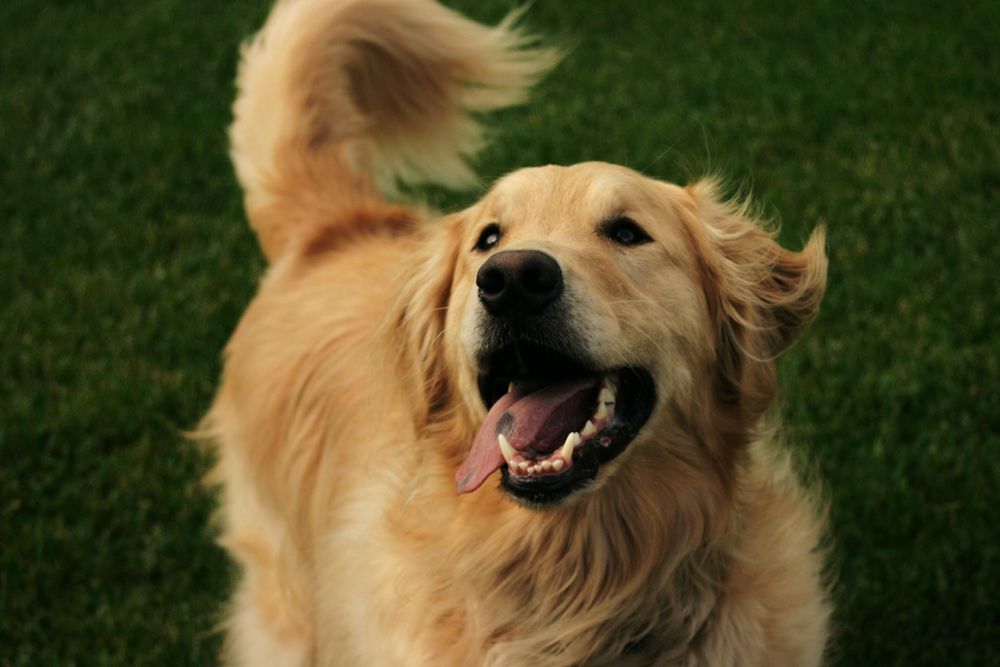
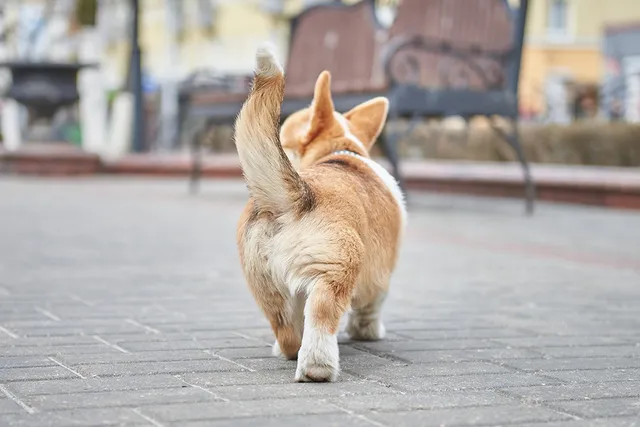
Most people assume that dogs will wag their tails when they’re feeling happy. However, dogs actually use their tails to communicate and express an even wider range of emotions. They can wag their tails when they’re feeling positive emotions as well as when they’re feeling negative emotions.
Looking at just a dog’s tail wagging won’t definitively tell you how they’re feeling. You must look at the rest of their body language to determine if they’re feeling happy, agitated, or nervous. We’ve listed several possible reasons your dog might wag their tail and how you can figure out how they’re feeling.

The 6 Reasons Why Dogs Wag Their Tails
1. Happiness

One of the most well-known reasons why dogs wag their tails is because they’re feeling happy and are in a good mood. Dogs will wag their tails when they notice something that they like. This can include seeing their favorite people walk into the room, hearing a bag of treats opening, or smelling delicious food wafting from the kitchen. When dogs are happy, their tails will usually be high up and wagging.
2. Nervousness
Sometimes, dogs will wag their tails when they’re feeling anxious or nervous. Again, the more intense the wagging, the more intense the emotion often is. Dogs will also engage in many other behaviors to express their nervous energy. Some dogs will pace around or be shaking. They can try to hide from view and make themselves appear smaller by tucking their tail and curling up.
Dogs experiencing more intense anxiety may urinate indoors, even if they’ve been potty trained. They can start to become depressed or more irritable and begin to lose interest in eating and doing activities that they normally enjoy.
3. Curiosity

Dogs may wag their tails when something has piqued their interest. You may notice your dog’s tail wagging when you're going on a walk, and they suddenly pick up an interesting scent trail. The more curious they are about the smell, the faster their tail will wag.
If something has caught your dog’s curiosity, your dog’s ears may also perk up and be more alert. They might tilt their head to adjust their sight on something or get a better hearing of a strange sound.
4. Alertness
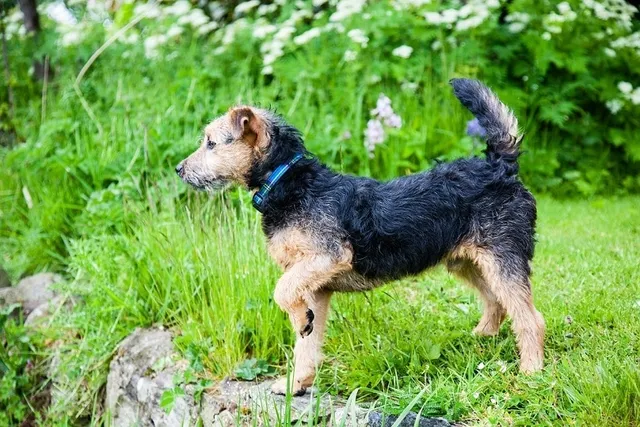
Dogs that are alert often have their tails sticking straight out and wagging slightly. They’ll take time to observe their surroundings with all their senses. You’ll notice their ears are perked up and pointing forward, and their eyes are focused and wide open. They’ll be standing with their weight evenly distributed on all their legs and will look ready to react to whatever’s caught their interest.
5. Playfulness

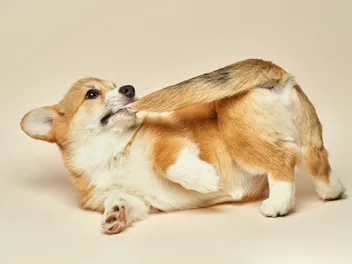
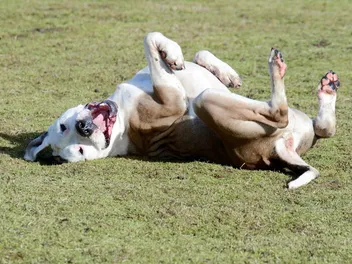
Dogs are usually happy when they’re playful, so it’s no surprise that their tails will often be wagging. Some dogs may wag their tails back and forth to entice others to play with them and chase them.
Dogs that want to play will usually play bow. They can have their mouths open, and it’ll look like they’re smiling. They might even growl playfully if they’ve gotten themselves into a wrestling match.
6. Stress
Dogs can start to become restless and wag their tails when they’re feeling stressed or agitated. Stressed out dogs can begin to pace around, whine, or bark. Some dogs may yawn, pant, or lick their lips when they’re stressed out. Their ears are usually tucked close to their heads, and they can also have raised hackles.
If your dog is showing signs of stress, we suggest you speak to a vet.
Do Dogs Wag Their Tails on Purpose?
Dogs can control their tail movement, however, tail wagging is often an instinctual behavior that dogs may unconsciously engage in when they’re feeling certain emotions. So, a dog’s tail often becomes a reliable source of information about how a dog is feeling. Of course, you have to observe other body language cues to determine their exact emotion.
Dogs may also wag their tails to communicate from a distance. It’s easier to notice a tail wagging from far away, and it can signal to other dogs whether a dog is feeling friendly or aggressive.

Conclusion
A dog’s tail is a communication tool, and it’s used to express many different emotions. So, make sure to pay attention when your dog is wagging their tail. They’re communicating with you, and reading the rest of their body language can help you determine how they’re feeling. Being mindful of these types of canine body language cues ultimately helps you understand your dog better and know how you can best care for your dog’s needs.
Sources
Featured Image Credit: Aaron Pletta, Shutterstock
Expert dog care, straight to your inbox
News, insights, expert advice, and everything dog.

No spam — unsubscribe anytime.
By signing up, you agree to our Terms & Conditions and Privacy & Cookies Policy.
How useful was this post?
Click a star to rate. You can leave written feedback afterwards. (We read all feedback.)
Jessica is a freelance writer who spends bigger part of her day researching and writing while her furry companion Cavapoo, Nora, snoozes beside her. She loves dogs, pets and animals because there’s so much to learn from them, and they do so much for us. As a dog mom, she understands the strong connection that pet parents have with their pets. So, she loves sharing helpful information that pet owners can use to better understand their beloved pets. When she isn't writing, you may find her walking dogs, tending to her plants, or drinking her nth cup of coffee.